What is an AI Agent, and Why It Will Matter in 2026

What is an AI Agent, and Why It Will Matter in 2026
AI Agents: Silent Helpers
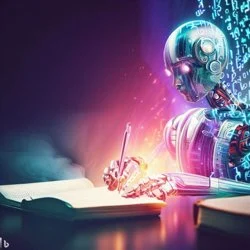
A few years ago, if someone had said that a machine could quietly handle your daily work, most people would not have believed it. It would have sounded strange- seems almost unreal. Life is busy for everybody. Emails keep on coming, messages never stop, and there is study pressure, work pressure, planning, and deadlines. Sometimes everything comes together at once. That is usually where AI agents start to make sense: they do not talk much or show off but just help.
So, exactly what is an AI agent?
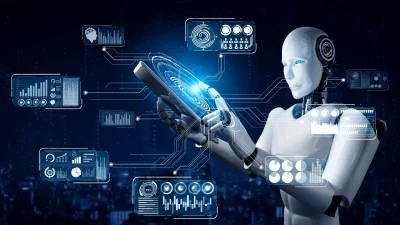
In easy words, the AI agent is an intelligent system that has capabilities for self-handling of tasks. The person just needs to let the agent know what is to be done, and the agent attempts to do the work itself. You do not have to explain every small step.
These are things like AI agents that can read emails and respond appropriately, manage meeting schedules, look at information and prepare reports, and even remember follow ups that many people often forget. Because of this, it is more like less normal software and feels more like a quiet assistant working in the background.
How does it differ from regular software?
Normal software works only one way: it follows rules. If the situation changes, it usually gets stuck. AI agents differ in that they try to understand what is happening. They learn from past actions. When something changes, they adjust their modus operand. It is because of this that they find themselves more relevant to reality, since in real life things are never ideal or set in stone.
Why AI Agents will matter in 2026?
Life is not slowing down. Instead of slowing down, it is becoming faster every year. By 2026, people will not want to spend their time repeating the same small tasks again and again even they will expect smarter systems to handle that work for them.
AI agents can perform tedious and repetitive jobs. They ultimately save time and decrease mental stress for students in being better organised and professionals in working smarter, not longer. Businesses make decisions more quickly but with less confusion. AI agents do not replace humans. They augment human effort.
Careers Centred on AI Agents
Many new job roles will come up in light of an evolving presence of AI agents. Skills needed would revolve around the requirements of designing AI agents and specialists on AI tools and methods. prompt engineers, and managing AI workflows.
It would be easy for people to adjust in the future if they learnt these skills early.
A Quiet Shift Forward
AI agents are not trying to impress anyone.
They are not loud nor flashy. They quietly do the jobs that slow us down. And perhaps it's that kind of quiet support which the future actually needs.